
Scientific project description
Global agriculture faces critical challenges, including climate change, resource depletion, and a growing population, which demand sustainable solutions to enhance crop resilience and productivity. One promising approach is the development of biocomposite materials that support plant health and soil quality while minimizing environmental impact. Conventional agrochemicals and materials often contribute to soil degradation and pollution, underscoring the urgent need for eco-friendly alternatives.
The SUS-BIOCROP project aims to train the next generation of researchers in sustainable agriculture, equipping them to design and implement innovative biocomposite materials and technologies that mitigate both biotic and abiotic crop stresses. Through a transdisciplinary approach combining materials science, plant biology, and environmental sustainability, the project seeks to improve crop resilience, increase yields, and foster environmentally responsible agricultural practices.
Our Project design
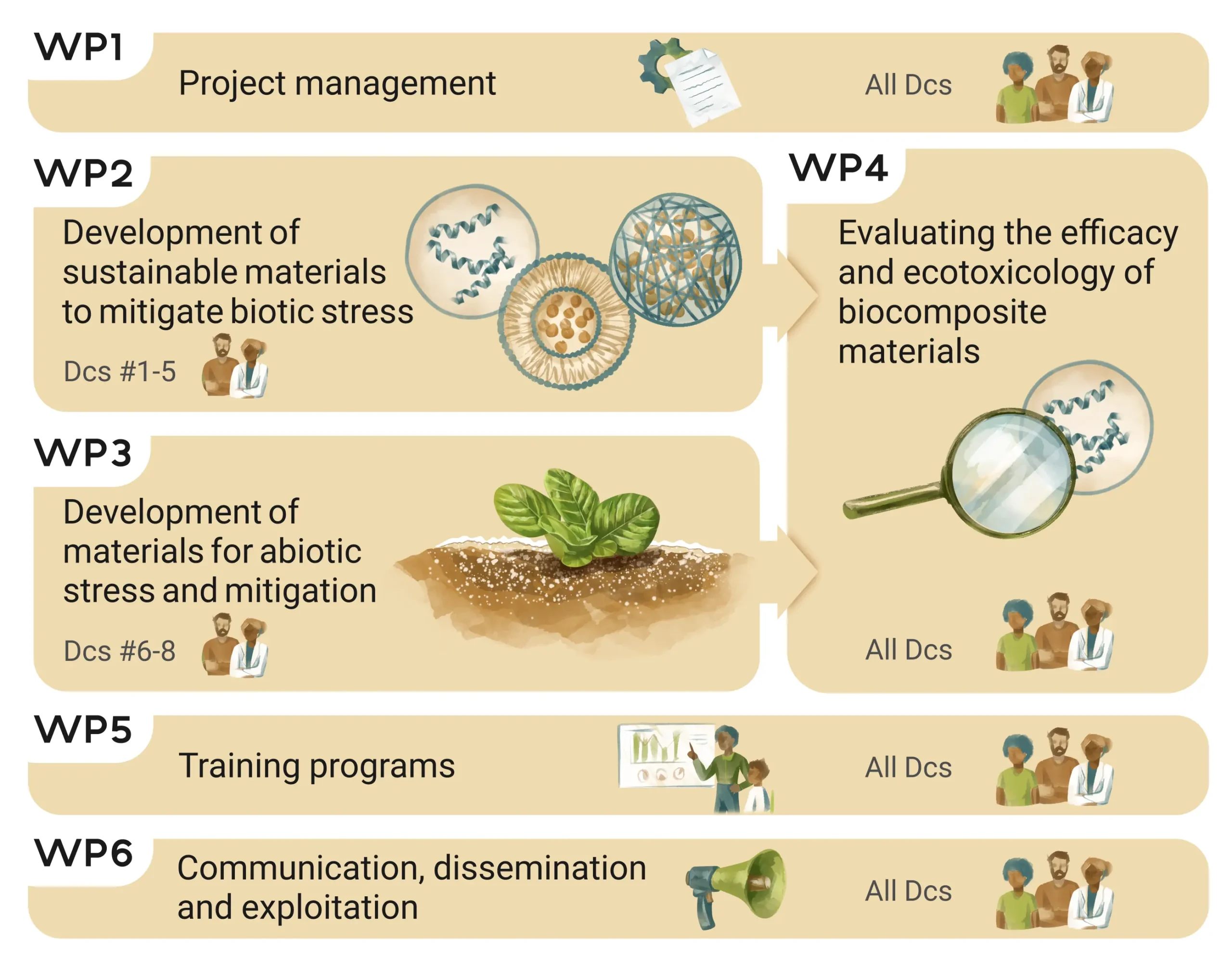
To reach the ambitious objectives of the SUSBIOCROP training network, the project is organized into six distinct work packages (WPs).
WP1: Project Management
WP2: Development of Sustainable Materials to Mitigate Biotic Stress
WP3: Development of Materials for Abiotic Stress Mitigation
WP4: Efficacy and Safety Testing of Biocomposite Materials that target Pathogens and Abiotic Stresses
WP5: Training Program on Soft and Hard Skills
WP6: Communication, Dissemination, and Exploitation.
Our three main objectives
1. Development of Biocomposite Materials for Biotic Stress Mitigation
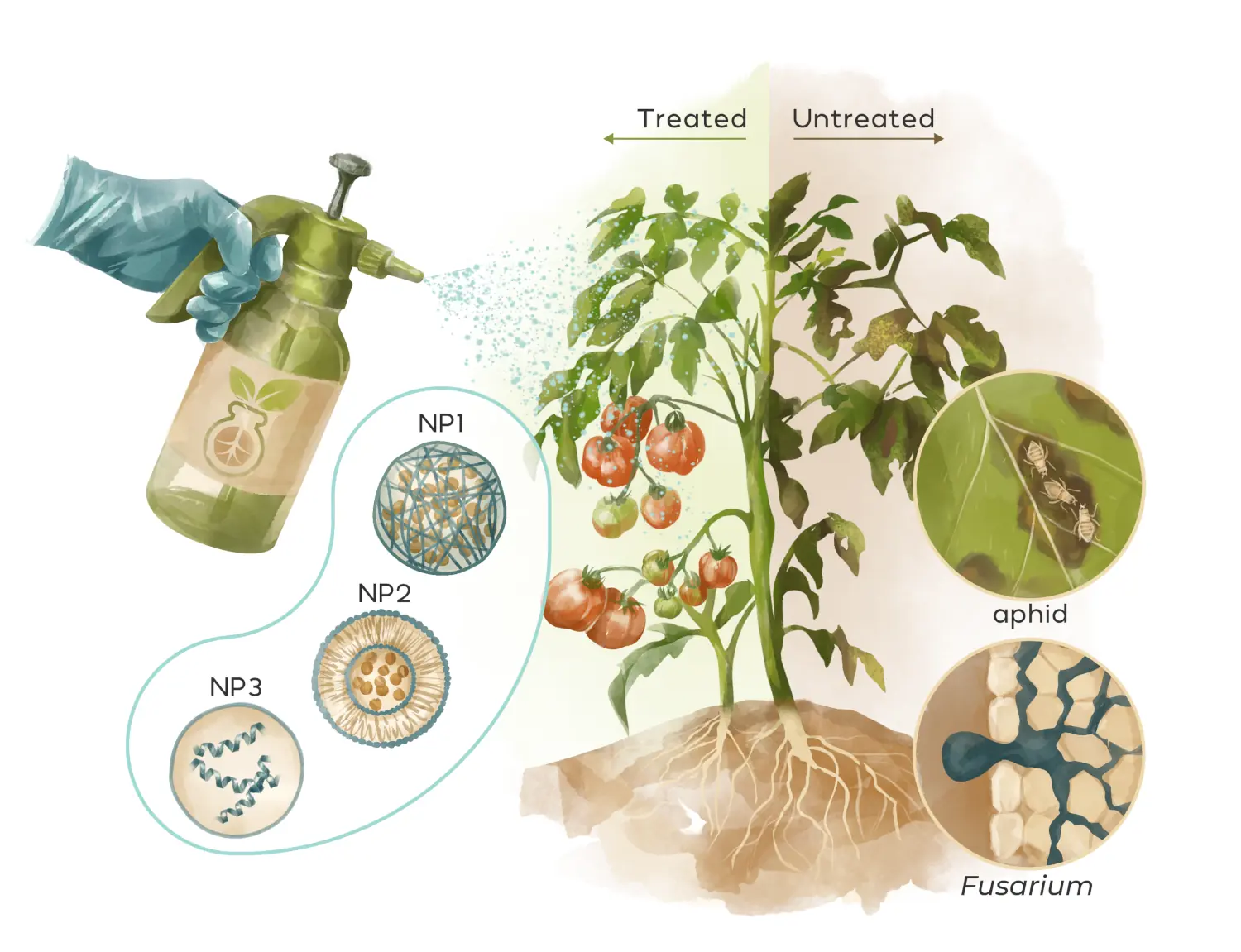
Biotic stress in agriculture arises from challenges such as insect infestations, and diseases. The project will focus on designing and evaluating innovative biocomposite materials aimed at effectively managing these stressors. This includes developing insect traps to control pest populations, and nanoparticle (NP)-based delivery systems for novel PPP, including peptide biopesticides, elicitors and dsRNAs.
2. Development of Biocomposite Materials for Abiotic Stress Mitigation
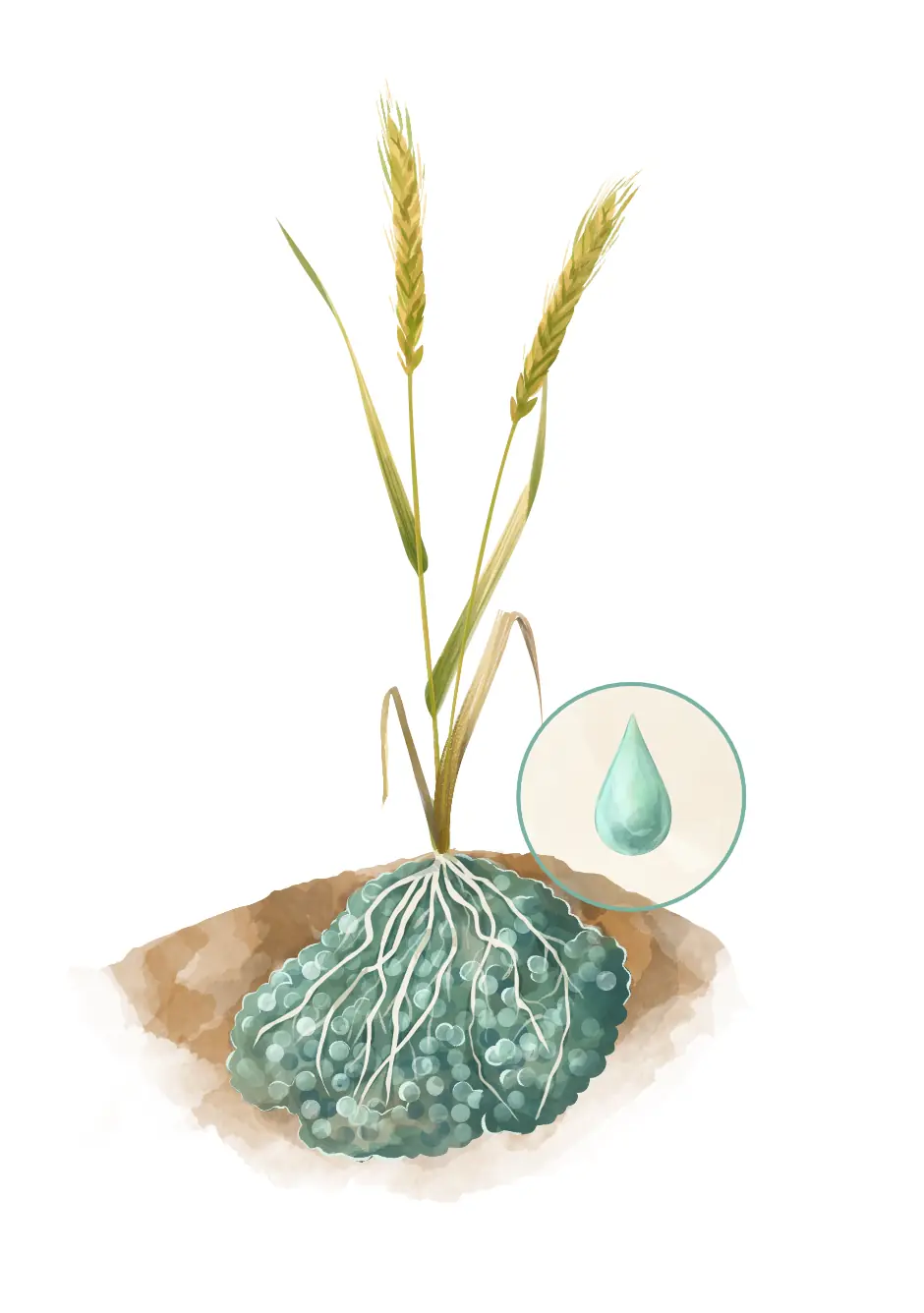
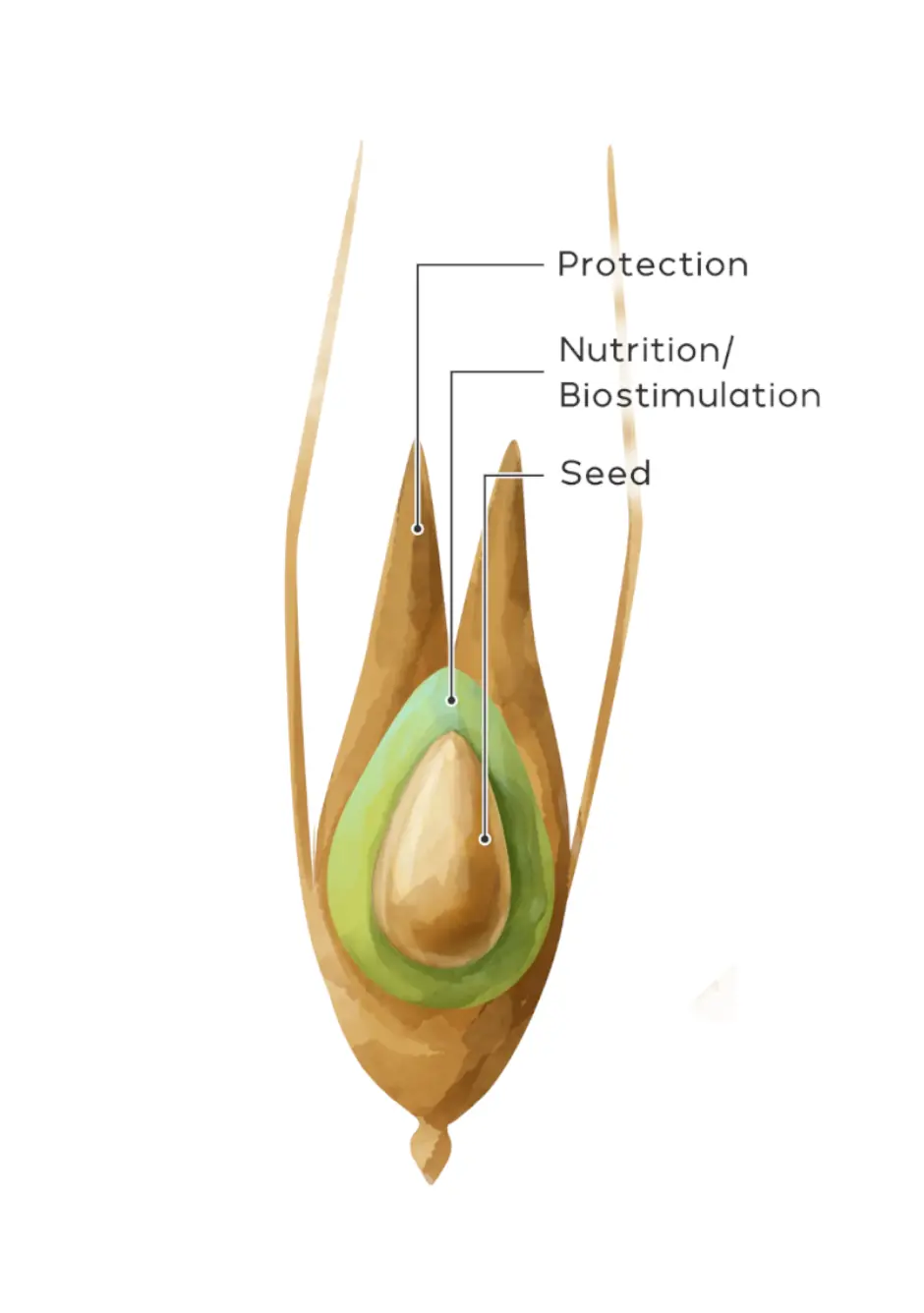
Abiotic stress refers to non-living environmental factors negatively impacting plant growth, such as drought, extreme temperatures, and poor soil conditions. To enhance plant and soil resilience against these stressors, the project will develop advanced biocomposites and technologies, including hydrogels for soil conditioning and fertilization designed for improved water retention and soil improvement after biodegradation, biomimetic seed coatings, and biostimulant mulch films to protect plants from drought and extreme temperatures. These innovations aim to promote sustainable agricultural practices by mitigating the effects of harsh environmental conditions.
Hydrogels
BIOMIMETIC SEED COATING
BIOSTIMULANT MULCH FILMS
3. Evaluation and Impact Assessment
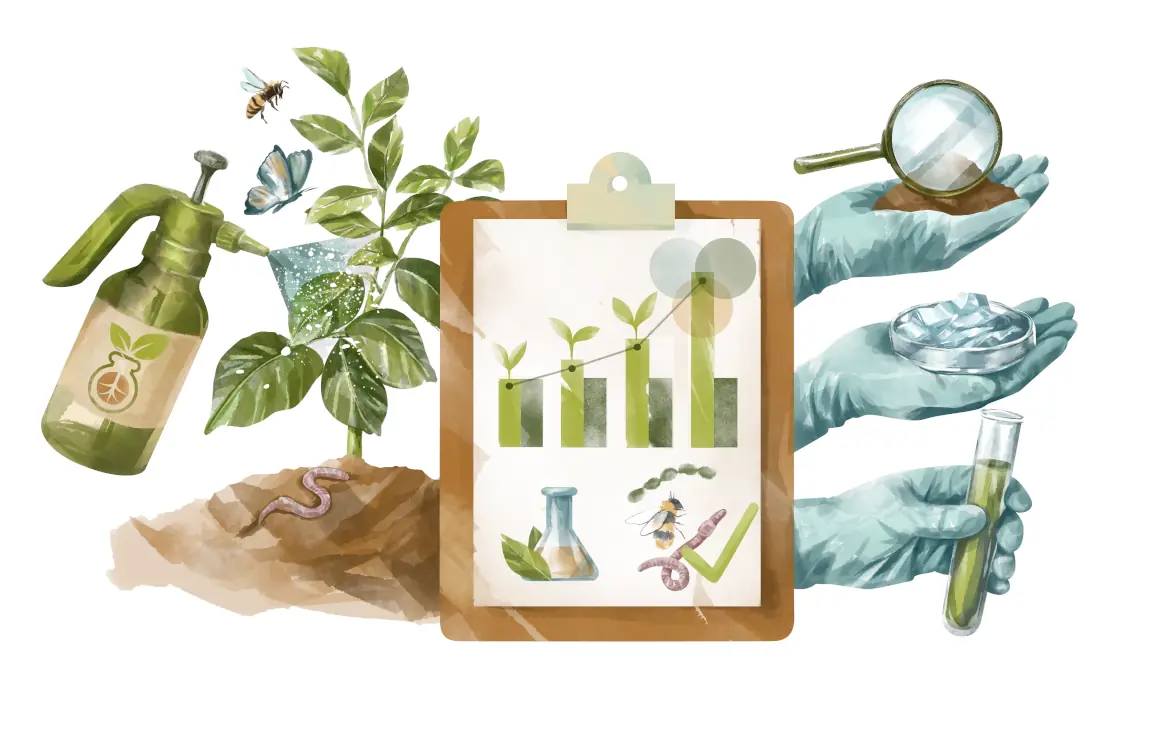
This objective focuses on the comprehensive evaluation of the developed biocomposites to ensure their safety and effectiveness. Specifically, the project will assess their impact on plant growth and crop yield, measure improvements in soil health parameters, evaluate their efficacy in pest management to confirm they effectively reduce pest populations without harming non-target organisms, and conduct ecotoxicity assessments to ensure environmental safety and absence of adverse effects on surrounding ecosystems.

Project coordinator
Dr. Danila Merino
University of the Basque Country, EHU
Basque Center for Macromolecular Design and Engineering, POLYMAT
Avenida de Tolosa 72
20018 Donostia-San Sebastian (Spain)